Plumbing leaks aren’t always obvious. Many start quietly, hidden behind walls, under floors, or in other out-of-sight areas of your home. Left unchecked, these leaks can lead to water damage, mold growth, structural issues, and costly repairs. Understanding the warning signs can help you catch problems early, protect your home, and maintain a safe and healthy living environment. At Right Connection Plumbing & Drain, we guide Las Vegas homeowners through identifying and addressing these stealthy leaks before they escalate.
Hidden leaks often begin small, sometimes no bigger than a pinhole in a pipe, yet they can quietly waste hundreds of gallons of water over time. The challenge is that many leaks do not produce immediate, obvious symptoms. Instead, they subtly affect your home’s systems, making them tricky to detect without careful observation. By learning the common signs, homeowners can take proactive steps to mitigate damage, reduce water waste, and prevent costly repairs.
Identifying Unusual Symptoms in Your Home
Unexpectedly High Water Bills
One of the first indicators of a hidden leak is a sudden jump in your water bill. Even a small, persistent leak can result in significant water usage over time. To spot potential issues:
- Track your monthly water consumption to establish a baseline
- Compare current bills with past usage for unusual increases
- Consider seasonal changes but investigate unexplained spikes immediately
Even minor leaks can waste thousands of gallons annually, which not only increases bills but also contributes to unnecessary water consumption. Understanding your typical usage is an easy, cost-free way to monitor for problems and act before they grow worse.
Water Meter Test
A simple water meter test can confirm suspicions of a hidden leak:
- Ensure no water is being used in or around your home.
- Take a reading from your water meter.
- Wait one to two hours without using water, then check the meter again.
If the reading has changed, water is moving through your system despite no usage, likely due to a leak. While this test is straightforward, it can save you significant headaches by catching hidden issues before they escalate into flooding or structural damage.
Unusual Sounds and Smells
Hissing or Dripping Sounds
Hidden leaks often make themselves known through subtle noises. You might hear:
- Soft hissing behind walls
- Dripping under floors or sinks
- Running water when all fixtures are off
These sounds are easier to detect at night when the house is quiet. Even small leaks can produce audible cues if you listen closely. Professional tools, such as acoustic leak detectors, allow plumbers to pinpoint these elusive leaks without extensive demolition, making repair faster and less invasive.
Musty Odors
Persistent damp or musty smells often signal hidden water accumulation, creating an environment for mold and mildew. Common locations include:
- Basements
- Bathrooms
- Laundry rooms
Mold can develop in as little as 24–48 hours in moist conditions, meaning a hidden leak can quickly become a health concern. Identifying the source of these odors early is critical, as prolonged exposure to mold spores can exacerbate allergies, asthma, and other respiratory issues.
Visible Indicators and Structural Changes
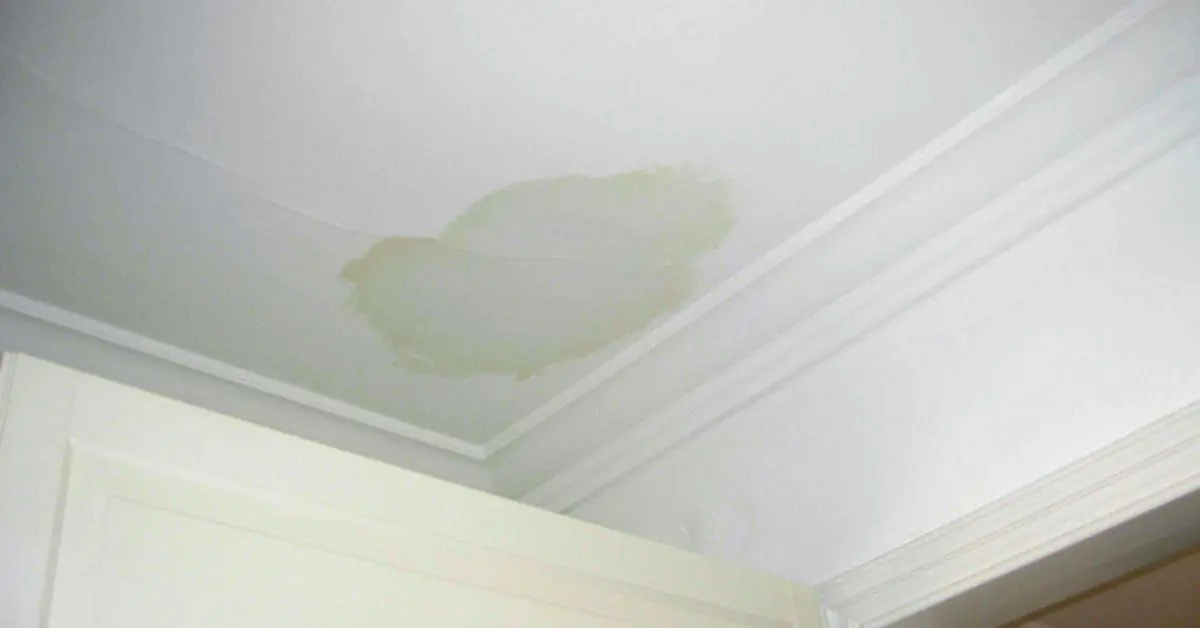
Water Stains and Discoloration
Leaking water can leave visible marks, such as:
- Dark or yellowish stains on walls or ceilings
- Peeling paint or bubbling wallpaper
- Damp spots on flooring or around fixtures
Even areas without obvious plumbing may reveal signs of hidden leaks. These stains not only indicate water intrusion but also suggest potential structural weakening if left untreated. Addressing these problems promptly can prevent mold growth and more expensive repairs down the line.
Foundation and Wall Cracks
Slow leaks can weaken your home’s foundation or walls. Look for:
- Cracks near water fixtures
- Horizontal or stair-step patterns in basement walls
- Damp or softened areas around structural elements
Distinguishing between natural settling and water-induced damage is crucial. Water-related cracks often correlate with the path of pipes or areas with historical moisture exposure. Ignoring these signs can lead to serious structural issues, as water gradually erodes materials and compromises load-bearing elements.
Warped Floors and Cabinetry
Persistent leaks under sinks, behind toilets, or within walls can cause flooring and cabinetry to warp. Wood flooring may buckle, laminate can peel, and particleboard cabinets may swell or deteriorate. Over time, these subtle shifts in your home’s interior can create tripping hazards, reduce property value, and necessitate costly replacements. Regular inspections help catch these issues before they require major repairs.
Health and Hygiene Concerns
Increased Allergy and Asthma Symptoms
Hidden leaks contribute to mold and mildew growth, which can exacerbate respiratory conditions. Watch for:
- Persistent coughing or sneezing
- Worsening asthma symptoms
- Eye or throat irritation
Even small leaks, when left unresolved, can degrade indoor air quality and increase exposure to allergens. Proactive detection and repair protect both your home and the health of your family, especially for those with sensitivities or chronic conditions.
Bacterial Growth and Contaminants
Standing water from leaks can harbor bacteria and other pathogens, potentially affecting your water supply. This is especially true if leaks occur near contaminated sources or in older plumbing systems. Periodic water quality testing is recommended if leaks are suspected. Detecting contamination early prevents health risks and ensures the safety of drinking water for your household.
Preventive Measures and Immediate Actions
Regular Maintenance and Inspections
The best defense against hidden leaks is prevention. Homeowners should:
- Schedule professional plumbing inspections at least once a year
- Check under sinks, around toilets, and near water heaters for dampness
- Listen for unusual sounds or monitor for changes in water pressure
Professional plumbers from Right Connection Plumbing & Drain have the tools and expertise to detect leaks behind walls, under floors, or in difficult-to-reach areas. Their inspections can identify potential issues before they evolve into major repairs, saving homeowners time, money, and stress.
Emergency Steps When a Leak Is Suspected
- Turn off your main water supply immediately
- Move valuables away from the affected area
- Place buckets or towels to contain water
- Contact professionals like Right Connection Plumbing & Drain in Las Vegas
Acting quickly minimizes potential damage and prevents leaks from escalating. When reporting the issue, provide as much detail as possible—such as location, sounds, or odors—to help the plumbing team respond efficiently with the right tools and solutions.
Protect Your Home and Health
Hidden plumbing leaks can cause serious damage over time, but being vigilant makes all the difference. Monitoring water usage, inspecting visible signs, listening for unusual sounds, and scheduling professional maintenance are key steps in safeguarding your home and family. Beyond protecting your property, early detection helps maintain a healthier indoor environment by preventing mold and bacterial growth.
At Right Connection Plumbing & Drain, we help Las Vegas homeowners identify hidden leaks, assess damage, and implement efficient solutions. Our expert team uses advanced detection methods to find leaks quickly, minimize disruption, and restore your plumbing system to full functionality. Don’t wait for a small drip to turn into a major problem—contact us today for a professional inspection and peace of mind.
Right Connection Plumbing & Drain is available by phone at (725) 213-8358 or you can always send us a message online.